
The best time to visit Bali is from April to October, during the dry season, when you can expect more sunshine, lower humidity and far less rain. May, June and September are often the sweet spot, with good weather and fewer crowds than the July and August peak.
This guide explains Bali’s two seasons month by month, using long-term climate averages for Denpasar. It also covers Nyepi, the island’s Day of Silence, and the entry steps UK travellers need to complete before they fly.
At a glance
- Best overall: May, June and September, dry with fewer crowds.
- Driest month: August, but also one of the busiest.
- Wettest months: December to February.
- Plan around: Nyepi on 9 March 2027, when the airport closes for 24 hours.
- Best value: April, October and early November.
Bali’s dry and wet seasons
Bali has a tropical climate with two seasons: a dry season from roughly April to October and a wet season from roughly November to March. Temperatures stay warm all year, so the real choice is between sunshine and rain.
Average daytime highs in Denpasar sit between about 29 °C and 32 °C in every month. Nights are warm too, usually around 24 °C to 25 °C on the coast. Inland and in the hills around Ubud and Mount Batur, evenings feel noticeably cooler.
Dry season: April to October
From April, rainfall drops quickly. By July and August, Denpasar averages fewer than four rainy days a month, with August the driest month of all. Humidity is lower, skies are clearer and the sea on the south-west coast is usually at its best for swimming and surfing.
Wet season: November to March
The wet season brings heavy tropical downpours, often in the afternoon or overnight. January is the wettest month, with almost 390 mm of rain on average in Denpasar. Mornings are frequently bright, the landscape turns a deep green and many hotels are quieter outside the Christmas and New Year rush.
Humidity, sea and sunshine
Humidity is highest in the wet season, which makes the heat feel stronger than the thermometer suggests. In the dry months, a light breeze and lower humidity make sightseeing far more comfortable, especially in the middle of the day.
The sea around Bali is warm all year. Sunshine peaks between August and October, when Denpasar averages around 270 to 280 hours a month, compared with under 200 hours in December and January.
For an overview of the island’s regions before you choose dates, see our Bali destination guide.
Bali weather by month
The table below shows average monthly conditions, based on 1991 to 2020 climate averages for Denpasar’s airport. When you decide on the best time to visit Bali, focus on rainfall and sunshine hours, because temperatures barely change.
| Month | Average high (°C) | Rainfall (mm) | Rainy days | Sunshine (hours) |
|---|---|---|---|---|
| January | 30.9 | 388.4 | 18.8 | 197 |
| February | 30.9 | 298.7 | 16.5 | 190 |
| March | 31.0 | 213.9 | 13.3 | 222 |
| April | 31.0 | 114.5 | 8.8 | 238 |
| May | 30.5 | 72.8 | 6.5 | 265 |
| June | 29.8 | 50.8 | 4.7 | 240 |
| July | 29.0 | 29.7 | 3.3 | 263 |
| August | 29.1 | 16.1 | 1.9 | 277 |
| September | 30.0 | 40.7 | 2.8 | 270 |
| October | 31.0 | 67.9 | 4.8 | 281 |
| November | 31.6 | 149.4 | 10.3 | 246 |
| December | 30.8 | 299.3 | 15.9 | 186 |
January to March
These are the wettest months, with frequent heavy showers and the lowest sunshine totals of the year. Prices outside the festive period are often lower, and rice terraces look their greenest. Nyepi falls in March in most years, so check the date before you book.
April to June
April marks the change to the dry season, and May and June are among the most pleasant months of the year. Rain falls on only a handful of days, the island is green after the wet season and school holidays have not yet begun in the UK.
July and August
July and August are the driest months and the busiest. Beaches, temples and popular restaurants are crowded, and the best villas book up early. If you need to travel in the UK summer holidays, plan and book well ahead.
September to December
September is one of the best months of all, dry and sunny with crowds starting to thin. October is still mostly dry and the sunniest month on average. Rain returns in November, and by December the wet season is in full swing, although Christmas and New Year remain busy.
Best time to visit Bali for different trips
The best time to visit Bali also depends on where you stay and what you want to do. Beaches, rice terraces, volcano treks and diving trips each have their own ideal months.
Beaches and surfing
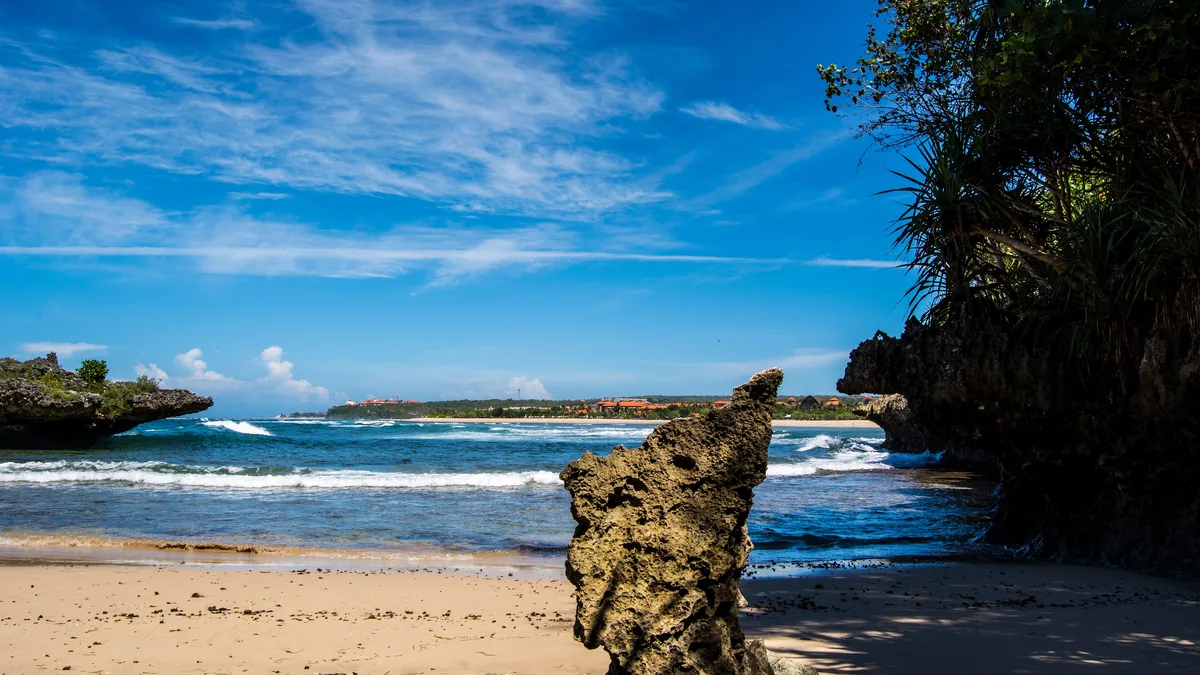
The dry season is the classic time for the beaches of the south-west coast, including Seminyak, Canggu and Uluwatu. Surfers often follow the seasons around the island, favouring the west coast in the dry months and the east coast during the wet season. If you are new to surfing, take lessons at a beach where local instructors know the conditions that week.
Ubud and the rice terraces
Ubud is lovely all year, but the shoulder months of April, May and October combine good weather with greener landscapes. During the wet season, the rice terraces are vivid and the town is quieter, although paths can be muddy and slippery. Visit popular terraces early in the morning to avoid the heat and the crowds.

Mount Batur sunrise trek
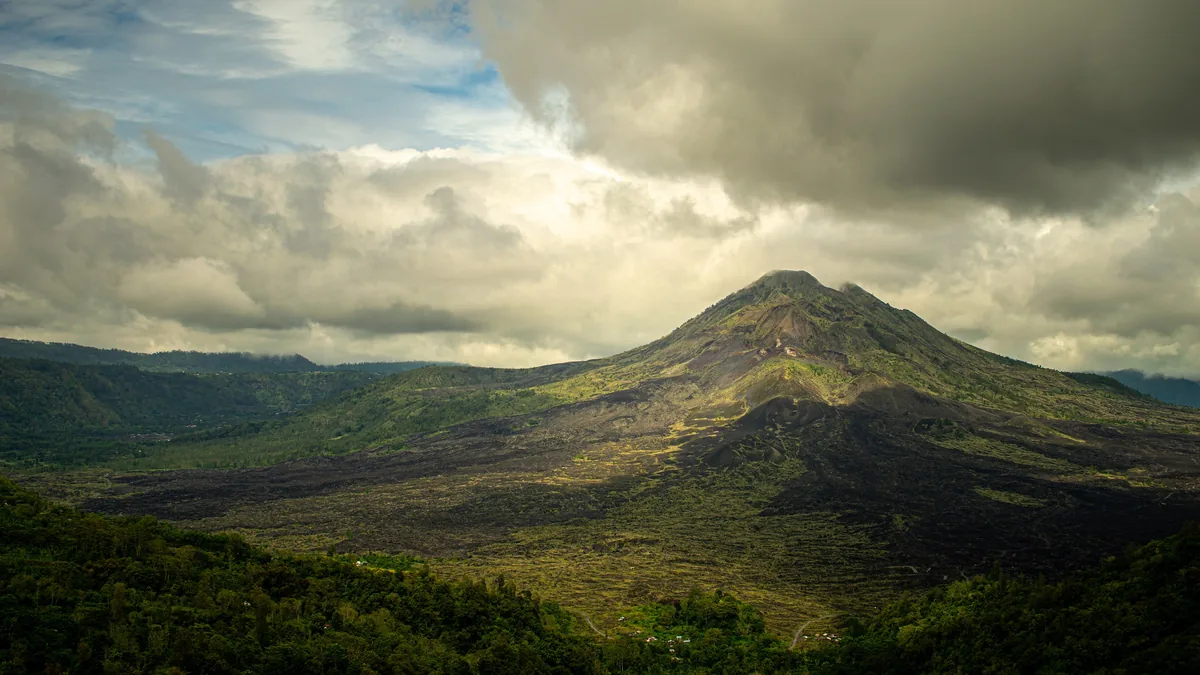
The pre-dawn trek up Mount Batur is a highlight for many visitors. Clear skies matter here, so the dry season gives you the best chance of a sunrise view over the crater lake and Mount Agung. Bring warm layers, because the summit can feel cold before the sun comes up.
Diving and Nusa Penida
Diving and snorkelling are possible all year, but sea conditions are usually calmer and visibility better in the dry season. Day trips to Nusa Penida involve open-water boat crossings, so calm days make the journey far more comfortable. Choose a licensed operator and follow your guide’s advice on currents.
Families
Families often travel in the UK summer holidays, which fall in Bali’s driest months. If you can travel at Easter or October half-term instead, you will usually find quieter resorts and more choice of family rooms. Pick a hotel with a pool and shade, because the midday sun is strong all year.
Island hopping from Bali
Many visitors add a few nights on the Gili Islands or Lombok, reached by fast boat. Calm dry-season seas make these crossings more comfortable, while wet-season swells can lead to rough rides or cancelled sailings.
If island hopping is on your list, leave a spare day before your flight home. That way a cancelled boat will not put your international connection at risk.
Festivals: Nyepi and other holidays
Nyepi, the Balinese Day of Silence, is the one date every visitor should check before booking. In 2027 Nyepi falls on 9 March, and in 2028 on 26 March, when Bali’s airport and the whole island shut down for 24 hours from 06:00 to 06:00.
On Nyepi, Balinese Hindus mark the new year with a day of silence, fasting and reflection. Visitors must stay inside their hotel grounds, keep noise and lights low, and cannot travel. On the evening before, villages parade huge ogoh-ogoh figures through the streets, which is a spectacular sight.
Check your flight dates
No flights land or take off during Nyepi. If your trip includes 9 March 2027 or 26 March 2028, plan your arrival and departure around the 24-hour closure and choose a hotel where you will be happy to stay put for the day.
Bali also celebrates Galungan and Kuningan, when temples and streets are decorated with tall bamboo poles called penjor. These festivals follow the Balinese calendar, so the dates change each year, and they bring colour rather than closures for most visitors.

Crowds and prices through the year
Bali is busiest in July and August and over Christmas and New Year, when prices for flights and villas are at their highest. The quietest periods are usually late January to March, outside Nyepi, and November.
The shoulder months of April, May, June, September and October are the best balance of weather, crowds and value. Popular sights such as temples on the coast and the rice terraces near Ubud are still busy, but early starts make a real difference.
| Months | Weather | Crowds | Best for |
|---|---|---|---|
| January to March | Wettest, very green | Quieter, except around Nyepi | Spa breaks, budget trips |
| April to June | Dry season begins | Moderate | Couples, trekking, first visits |
| July and August | Driest and sunniest | Busiest of the year | Families in school holidays |
| September and October | Dry and sunny | Easing | Honeymoons, diving, beaches |
| November and December | Wet season returns | Quiet, then busy at Christmas | Value in November |
If you are planning a wedding trip, our guide to the best honeymoon destinations from the UK compares Bali with other favourites month by month.
How far ahead to book
For July, August and the festive season, book flights and villas six months or more ahead, because the best-value seats and rooms go first. For the shoulder months, three to four months is usually enough, and the wet season often has good late availability.
Whatever the month, split your stay between two or three areas, such as Ubud for culture and the coast for beaches. It keeps transfer times short and lets you match each area to the weather.
Before you fly: entry rules for UK travellers
As of October 2026, British citizens need a visa to visit Indonesia, but you can get a 30-day visa on arrival or apply online before you travel. Your passport must be valid for at least six months after you arrive and have at least two blank pages.
- Apply for an electronic visa on arrival on the official Indonesian immigration website at least one week before you leave, or buy a visa on arrival at the airport. It costs 500,000 Indonesian rupiah and is valid for 30 days, single entry.
- Complete the free All Indonesia arrival card, a customs and health declaration, within 72 hours of arrival.
- Pay the Bali tourist levy of 150,000 Indonesian rupiah online through the Love Bali website or on arrival.
- Carry proof of your onward or return flight, as immigration may ask for it.
- If you want to stay longer, extend your 30-day visa once, for another 30 days, before it runs out.
Avoid visa scams
Use only official government websites for your visa, arrival card and levy. Overstaying costs 1 million rupiah a day and can lead to deportation. The latest rules are on the GOV.UK Indonesia entry requirements page.
There are no direct flights from the UK to Bali, so most journeys connect once in Singapore, Doha, Dubai, Kuala Lumpur or Bangkok. Allow around 17 hours or more in total, and remember that Bali is 8 hours ahead of GMT. See our flights from London to Bali page for routes.
Our verdict on the best time to visit Bali
For the most reliable weather with fewer crowds, the best time to visit Bali is May, June or September. July and August are the driest but busiest months, while the wet season from November to March offers green landscapes and better value if you do not mind showers. Whatever you choose, check the Nyepi date before you book.
SkyWays Hub plans tailor-made Bali holidays from UK airports, combining flights, hotels and transfers so each part of the island suits the season.
Plan your Bali trip with us
Tell us your dates, departure airport and the mix of beach, culture and nature you would like. We will suggest the right areas and hotels for the season.
Frequently asked questions
What is the best month to visit Bali?
May, June and September are often the best months to visit Bali. They fall in the dry season, with few rainy days and plenty of sunshine, but they are quieter than July and August. You still get warm seas, clear skies for treks and comfortable evenings, without the peak-season crowds.
When is the rainy season in Bali?
The rainy season runs roughly from November to March. January is the wettest month, with almost 390 mm of rain on average in Denpasar, and December and February are also wet. Showers are often heavy but short, falling in the afternoon or overnight, so mornings can still be bright and sunny.
Is it worth going to Bali in the wet season?
Yes, if you are flexible. The wet season brings lush green landscapes, quieter sights outside Christmas and New Year, and often better value. Expect heavy showers and humid days, so plan outdoor trips for the mornings and choose a hotel with good indoor spaces for spa time and slow afternoons.
When is Nyepi in 2027?
Nyepi falls on 9 March 2027, and on 26 March 2028. On the Day of Silence the whole island, including the airport, shuts down for 24 hours from 06:00 to 06:00, and visitors must stay in their hotel grounds. The night before, colourful ogoh-ogoh parades take place in towns and villages.
Is August a good time for Bali?
August is the driest month in Bali, with fewer than two rainy days on average, so the weather is excellent. It is also one of the busiest months, with high demand from European and Australian visitors. Book flights and villas early, and visit popular temples and terraces at the start of the day.
How hot is Bali in summer?
During the UK summer, Bali is in its dry season and slightly cooler than at other times. Average highs in Denpasar are about 29 °C in July and August, with lower humidity. The hills around Ubud and Mount Batur feel cooler again, especially in the early morning, so pack a light layer.
Do UK citizens need a visa for Bali?
Yes. As of October 2026, British citizens need a visa for Indonesia, but you can get a 30-day visa on arrival for 500,000 rupiah or apply online in advance. You also need the free All Indonesia arrival card, the Bali tourist levy and a passport valid for six months with two blank pages.
How long is the flight from the UK to Bali?
There are no direct flights from the UK to Bali, so you will usually connect once in a hub such as Singapore, Doha, Dubai, Kuala Lumpur or Bangkok. The whole journey typically takes around 17 hours or more, depending on the connection. Bali is 8 hours ahead of GMT.
Sources
- GOV.UK: Indonesia entry requirements (checked October 2026)
- Indonesian Immigration: official e-visa website (checked October 2026)
- Bali Provincial Government: Love Bali tourist levy (checked October 2026)
- Denpasar climate averages, 1991 to 2020 and Nyepi dates (checked October 2026)