

The best time to visit Thailand is from December to March. That is when Bangkok, Chiang Mai and the Andaman coast around Phuket and Krabi are at their driest. Koh Samui and the Gulf islands follow a different pattern and are driest from February to April.
This guide uses long-term averages from the Thai Meteorological Department to show the weather in four places, month by month. It also covers festivals, UK school holidays and the entry rules to check, all dated. For trip ideas across Asia and beyond, see our holiday packages.
At a glance
- Best for most of Thailand: December to March, for Bangkok, the north and Phuket.
- Best for Koh Samui: February to April, the driest months on the Gulf coast.
- One trip, every region: February and March, when all four places average 6 rainy days or fewer.
- Hottest: April, with average highs of about 35 °C in Bangkok and 36 °C in Chiang Mai.
- Wettest: September and October on the Andaman coast; October and November on Koh Samui.
When is the best time to visit Thailand?
For most travellers, the best time to visit Thailand is December to March. In those months, Bangkok and Chiang Mai average one or two rainy days a month, and Phuket between three and eight.
- By region: the best time to go to Thailand’s north and Bangkok is November to February. For the Andaman coast it is December to March, and for Koh Samui February to April.
- For a multi-stop trip: February and March are the only months that are dry in all four places in this guide.
- If you must travel in the rainy season: Koh Samui gets less rain than Phuket in July and August.
Thailand’s three seasons
Thailand has a cooler, drier season, a hot season and a rainy season, but the dates shift by region. GOV.UK says the rainy season is generally from May to October. In Koh Samui and south-east Thailand, it usually runs from November to March.
The cooler, drier months: November to February
In Bangkok and the north, these are the most comfortable months. Bangkok’s highs stay around 31–33 °C. Chiang Mai’s nights drop to about 14–15 °C in December and January, so pack a warm layer for the hills.
The Andaman coast dries out a little later. Phuket still averages about 16 rainy days in November, falling to 8 in December and 3 in February.
The hot months: March to May
Heat builds from March and peaks in April. Bangkok averages about 35 °C in April and Chiang Mai about 36 °C, the highest averages of the year in both places.
Plan sightseeing for early mornings and evenings, and take shade and water with you. March is still dry almost everywhere, which makes it a good, if hot, month to travel.
The rainy season: May to October
The rains arrive in May across most of the country. Bangkok’s wettest month is September, with about 344 mm of rain over 18 days. Chiang Mai’s is August, with about 225 mm over 21 days.
GOV.UK warns that periods of intense rainfall can occur and that weather patterns have become increasingly unpredictable. Build some flexibility into your plans, especially for boat trips and mountain roads.
The best time to visit by region
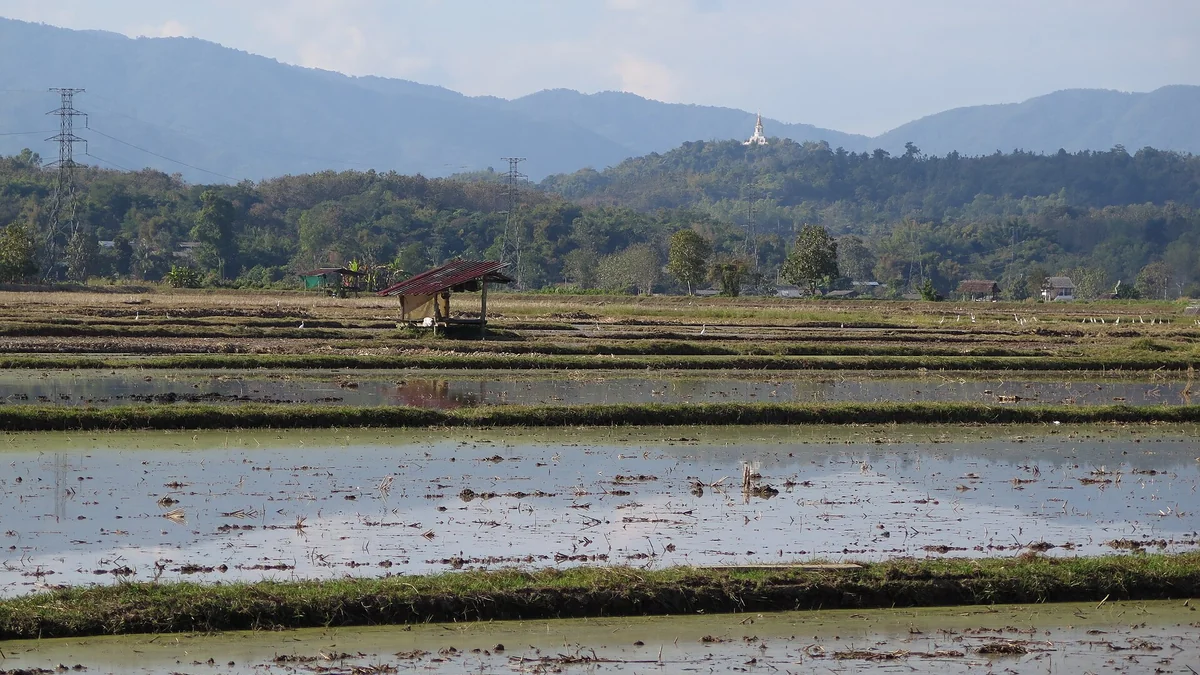
Bangkok and the north share one weather pattern, the Andaman coast has a wetter version of it, and Koh Samui follows its own. Choose your months by the region you most want to see.
Bangkok and central Thailand
Visit Bangkok from November to March for the driest weather, with only one or two rainy days a month from December to March. Daytime highs stay above 31 °C all year.
April is the hottest month, at about 35 °C, and September the wettest. In the rainy season, keep a flexible plan so you can move outdoor visits around the showers.
Chiang Mai and the north
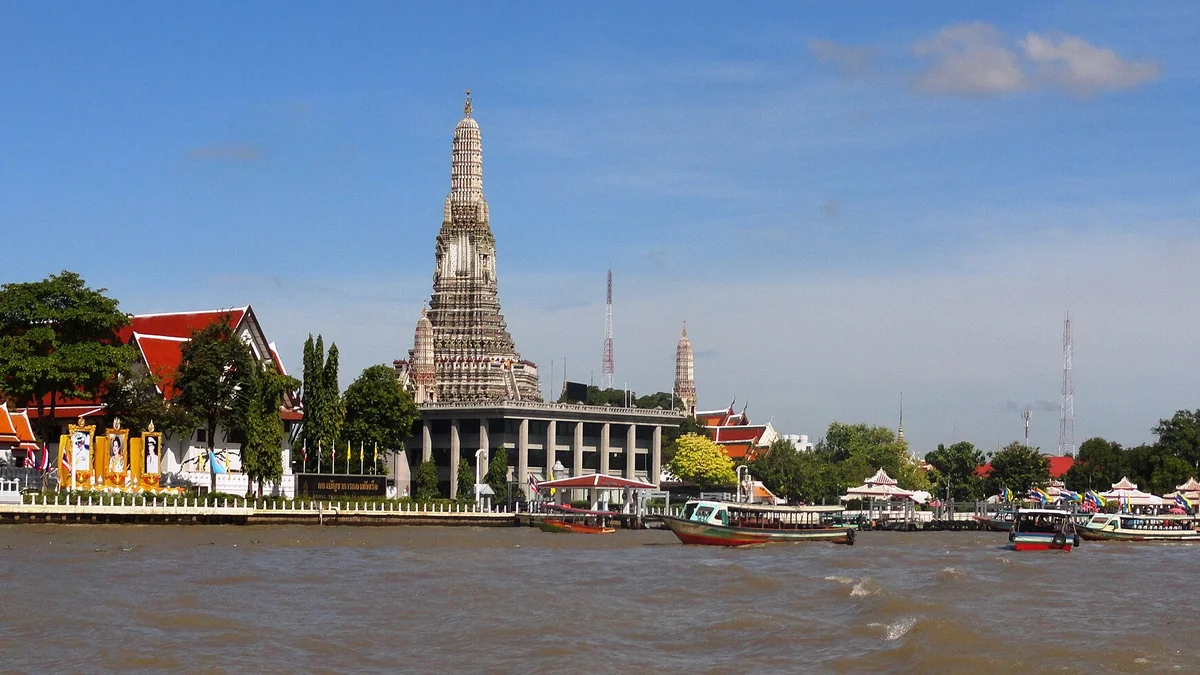
The north is at its best from November to February, with warm days of about 28–32 °C and cool nights. Chiang Mai averages one or two rainy days a month from December to March.
March and April are very hot. GOV.UK also warns that Chiang Mai and Bangkok are affected by seasonal smoke haze from crop burning. If you have asthma or another breathing condition, check air-quality readings before you go.
Phuket, Krabi and the Andaman coast
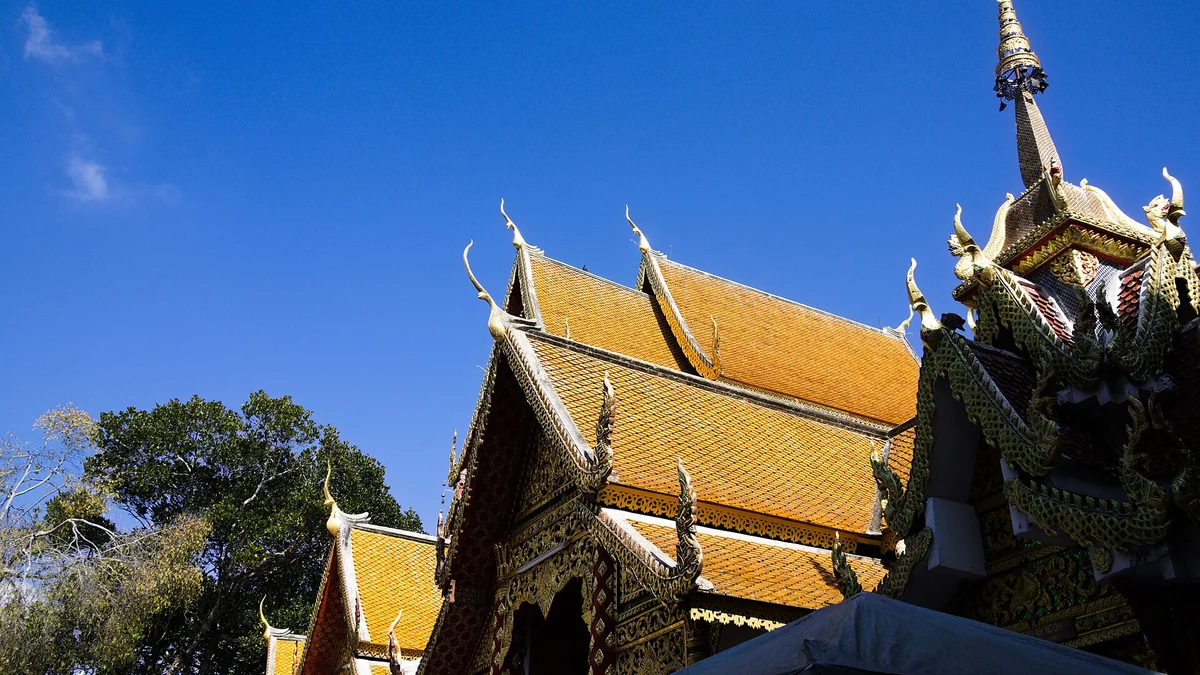
The Andaman coast is best from December to March, when Phuket averages between three and eight rainy days a month. Krabi, on the same coast, follows a similar pattern.
From May to October the coast is wet, and September and October are the wettest months, with about 22–23 rainy days each. GOV.UK warns of strong currents in the monsoon season, so always follow the beach flags.
Koh Samui and the Gulf islands
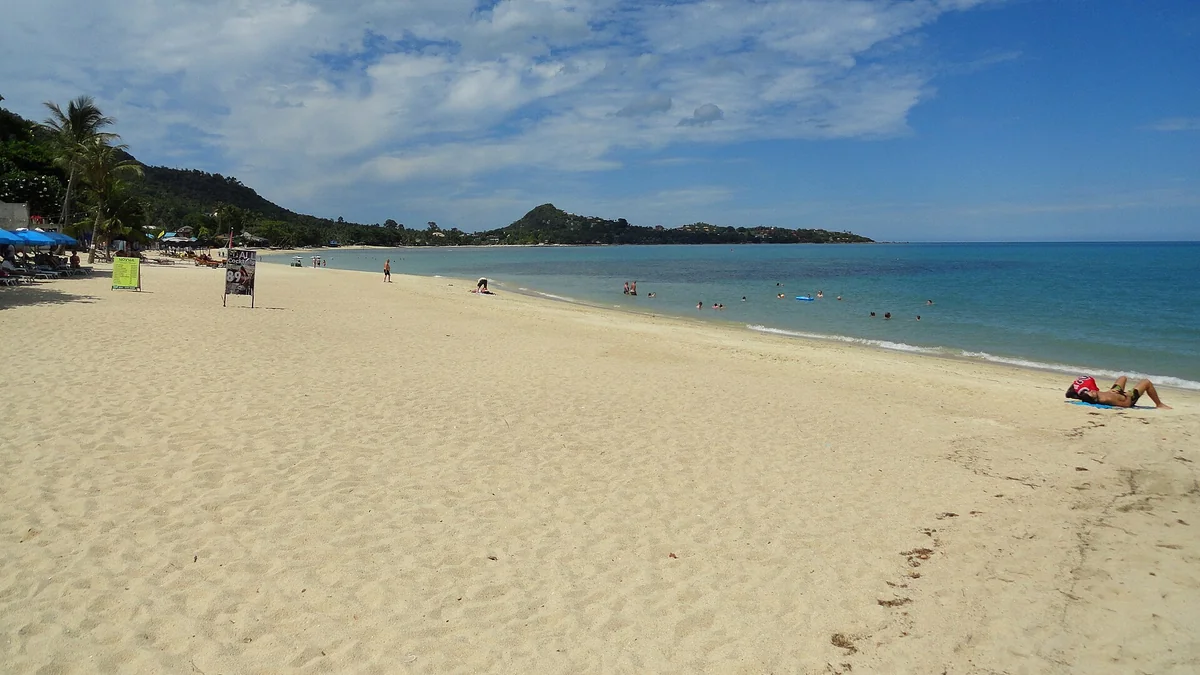
Koh Samui is driest from February to April, with about five to eight rainy days a month. Its wettest months are October and November, when it averages about 20 rainy days, and November alone brings about 490 mm of rain.
GOV.UK describes the rainy season here as usually November to March. The long-term averages agree on November and December, but show that the rain eases by February. We therefore suggest February to April as the more reliable choice.
Thailand weather by month
The table shows the average daytime high and the number of rainy days in each month for four places. Use it to match your travel dates to the region you want.
| Month | Bangkok | Chiang Mai | Phuket | Koh Samui |
|---|---|---|---|---|
| January | 32 °C · 1 days | 29 °C · 1 days | 32 °C · 4 days | 29 °C · 11 days |
| February | 33 °C · 2 days | 32 °C · 1 days | 33 °C · 3 days | 30 °C · 6 days |
| March | 34 °C · 2 days | 35 °C · 2 days | 34 °C · 6 days | 31 °C · 5 days |
| April | 35 °C · 4 days | 36 °C · 6 days | 34 °C · 11 days | 32 °C · 8 days |
| May | 34 °C · 13 days | 34 °C · 15 days | 33 °C · 20 days | 33 °C · 15 days |
| June | 33 °C · 12 days | 33 °C · 16 days | 32 °C · 19 days | 32 °C · 15 days |
| July | 33 °C · 13 days | 32 °C · 18 days | 32 °C · 20 days | 32 °C · 14 days |
| August | 33 °C · 15 days | 31 °C · 21 days | 32 °C · 19 days | 32 °C · 15 days |
| September | 32 °C · 18 days | 32 °C · 17 days | 31 °C · 23 days | 32 °C · 16 days |
| October | 32 °C · 14 days | 31 °C · 12 days | 31 °C · 22 days | 31 °C · 20 days |
| November | 32 °C · 5 days | 30 °C · 5 days | 31 °C · 16 days | 30 °C · 20 days |
| December | 31 °C · 1 days | 28 °C · 2 days | 32 °C · 8 days | 29 °C · 14 days |
Averages are from the Thai Meteorological Department, published by the World Meteorological Organization. February and March are the only months when all four places average 6 rainy days or fewer.
Once you know your month, browse the places we plan trips to for ideas on where to combine with Thailand.
November to February
Dry and comfortable in Bangkok and the north, and drying out on the Andaman coast from December. Koh Samui is at its wettest in November and December.
March to May
Hot everywhere, peaking in April, and still dry in March. The rains start in May, when every place in the table averages 13 or more rainy days.
June to October
The rainy season for most of the country, with the heaviest rain in September and October. From June to September, Koh Samui is the drier beach choice, with about 14–16 rainy days compared with 19–23 in Phuket.
Festivals and busy times
The big festivals and the Christmas and New Year holidays are popular times to visit. Plan and book earlier if your dates fall in one of them.
- Songkran: Thailand’s water festival takes place in mid-April. The Tourism Authority of Thailand reported celebrations across the country from 11 to 15 April in 2026.
- Loi Krathong: held in November, when people float candle-lit offerings on rivers and lakes. The date changes each year.
- Christmas and New Year: a popular time for UK travellers, during the dry season in Bangkok, the north and Phuket.

Thailand in the UK school holidays
Each UK school holiday suits a different part of Thailand. Match your break to the region with the best weather at that time.
- Christmas: Bangkok, the north and Phuket are dry. Koh Samui averages about 14 rainy days in December, so it is the weaker choice.
- February half-term: all four places are dry, which makes it a good week for a multi-stop trip. Compare it with other ideas in our guide to warm places in February.
- Easter: hot everywhere, and Songkran in mid-April can make it busy.
- Summer holidays: the rainy season. Koh Samui averages about 120 mm of rain in July and August, less than half of Phuket’s 280 mm or so.
Planning further ahead? Our guide to hot places in December compares Thailand with other winter sun destinations.
Weather risks to plan around
Most weather risks in Thailand come with the rains. GOV.UK highlights these points.
- Flooding: heavy rain can cause flash floods and landslides, especially in the north, the north-east and mountain areas.
- The sea: strong riptides in the monsoon season, and jellyfish near the shore, particularly from May to October.
- Boats: accidents are more likely in rough monsoon seas and on overloaded boats.
- Air quality: Bangkok and Chiang Mai can have high air pollution and seasonal smoke haze. GOV.UK suggests checking the World Air Quality Index.
Swim where the flags say it is safe
Thailand uses a flag system on beaches with lifeguards. Follow all warning signs, especially red flags, and take local advice before swimming in the rainy season.
Before you go: entry rules and travel advice
Check GOV.UK’s Thailand entry requirements before you book and again before you fly, as the rules changed in 2026. This is what they said when we checked on 17 November 2026.
- Passport: valid for at least 6 months after you arrive, with at least 1 blank page.
- Visa-exempt stays: from 15 September 2026, British citizens can stay for up to 30 days for tourism without a visa.
- Proof: you may be asked for proof of onward travel and of funds, such as 10,000 baht per person.
- Digital Arrival Card: complete it online within the 3 days before you arrive.
Travel advice notice (checked 17 November 2026)
The UK Foreign, Commonwealth & Development Office (FCDO) advises against all but essential travel to parts of southern Thailand near the Malaysian border and to areas within 20 km of Thailand’s land border with Cambodia. The places in this guide are outside those areas. Travelling against FCDO advice can invalidate your travel insurance. Read the latest Thailand travel advice on GOV.UK before you plan or book.
Our verdict on the best time to visit Thailand
For most trips, the best time to visit Thailand is December to March. Choose February to April for Koh Samui, and February or March if you want to see several regions in one trip. If you travel in summer, Koh Samui is the drier beach choice.
Plan your Thailand trip
Tell us your dates and the regions you want to see, and the SkyWays Hub team will suggest flights and hotels that fit. You can also see our holiday packages for ideas. We reply within 24 hours.
Frequently asked questions
What is the best month to visit Thailand?
February is the best single month for most trips. It averages about 2 rainy days in Bangkok, 1 in Chiang Mai, 3 in Phuket and 6 on Koh Samui. March is a close second, though hotter, and both suit a trip that combines the city, the north and the islands.
When is the rainy season in Thailand?
GOV.UK says the rainy season is generally from May to October. In Koh Samui and south-east Thailand, it usually runs from November to March. The long-term averages show the heaviest rain in September and October on the Andaman coast, and October and November on Koh Samui.
What is the hottest month in Thailand?
April is the hottest month in Bangkok and Chiang Mai. Average highs reach about 35 °C in Bangkok and 36 °C in Chiang Mai. The coasts are a little cooler in April, at about 32–34 °C.
When is the best time to visit Phuket?
The best time to visit Phuket is December to March. Phuket averages about 3 to 8 rainy days a month in that period, with highs of 32–34 °C. September is the wettest month, with about 387 mm of rain over 23 days.
When is the best time to visit Koh Samui?
February to April is the best time to visit Koh Samui, with about 5 to 8 rainy days a month. October to December is the wettest period, and November alone averages about 490 mm of rain. In July and August, Koh Samui is drier than Phuket.
Is it worth going to Thailand in July or August?
Yes, if you choose the right region and accept some rain. Koh Samui averages about 14–15 rainy days and 120 mm in July and August, compared with about 280 mm in Phuket. Bangkok and Chiang Mai average 13–21 rainy days in those months.
Which months should you avoid in Thailand?
It depends on where you go. Avoid September and October for Phuket and the Andaman coast, October to December for Koh Samui, and August for Chiang Mai, its wettest month. April is very hot in Bangkok and the north.
Do you need a visa for Thailand from the UK?
Not for a short holiday on a British citizen passport. GOV.UK says that from 15 September 2026, British citizens can stay visa-free for up to 30 days for tourism. Your passport must be valid for 6 months after arrival, and you must complete the Digital Arrival Card within 3 days before you arrive.
Sources
- World Meteorological Organization: Bangkok climate averages (Thai Meteorological Department), with Chiang Mai, Phuket and Ko Samui (checked November 2026)
- GOV.UK: Thailand travel advice, including warnings, safety and security, health and entry requirements (checked November 2026)
- Tourism Authority of Thailand: Songkran 2026 and Loi Krathong 2025 (checked November 2026)